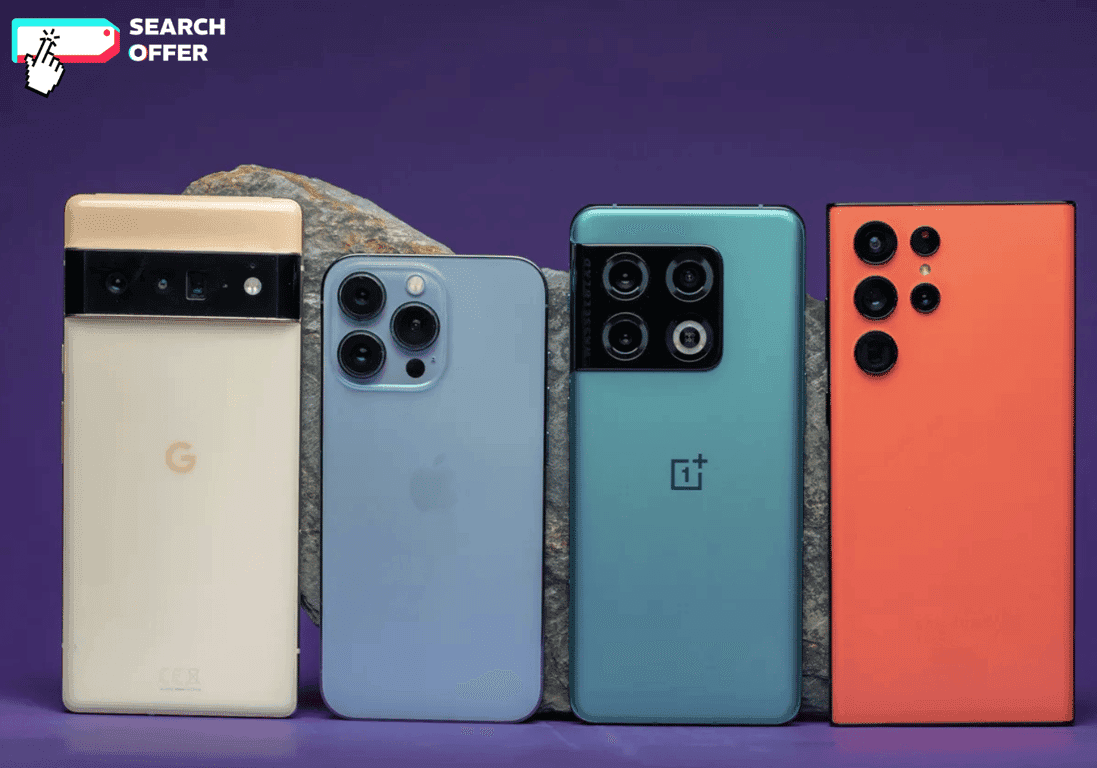

In 2026, searching online is no longer just about typing keywords into a box. It’s about privacy, AI-powered answers, cleaner browsing, commercial intent, and purpose-driven discovery. While Google still dominates global market share, millions of users now explore alternative search engines for more control, simpler design, and smarter results.
Recently, Bill Ready, CEO of Pinterest, made a bold comparison between his platform and ChatGPT. According to third-party data he cited, Pinterest handles around 80 billion searches per month, slightly more than ChatGPT’s estimated 75 billion monthly searches.
Even more striking, Pinterest reportedly generates 1.7 billion monthly clicks, and more than 50% of those searches have commercial intent. By contrast, Ready suggested that only about 2% of ChatGPT searches are commercial.
“That makes us one of the largest search destinations in the world,” Ready emphasised.
The message is clear: search is expanding beyond traditional engines. Today, users rely on AI chatbots, visual discovery tools, privacy-first browsers, and niche search platforms to find what they need.
If you care about data privacy, want AI-generated summaries, or simply want a fresh experience, here are the Top 5 Alternative Search Engines to try in 2026.
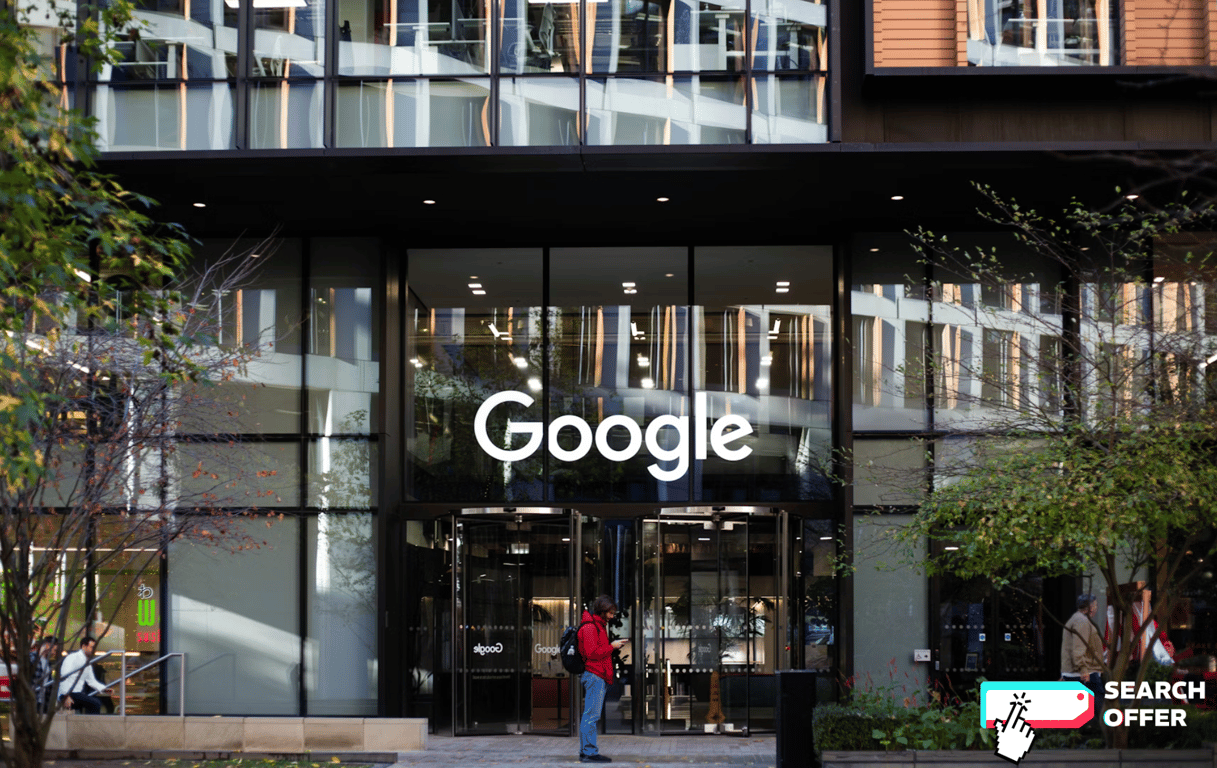
1. Bing (https://www.bing.com/) – Microsoft’s AI-Powered Contender
Microsoft Bing has transformed into a serious AI-driven contender. Thanks to its integration with advanced AI models, Bing delivers conversational answers, content summaries, and even image generation directly inside search results.
Key Features:
Built-in AI chat experience
AI summaries inside search
Visual and video search tools
Microsoft Rewards program
Deep integration with Windows and Edge
If you want AI-powered search outside Google’s ecosystem, Bing offers one of the most advanced alternatives available today.
2. DuckDuckGo (https://duckduckgo.com/) – Privacy First, Always
DuckDuckGo is the top pick for people who want to search without being watched. It doesn’t track your searches, create user profiles, or tailor results based on what you’ve done before.
Why People Love It:
No tracking or profiling
Clean interface
Built-in tracker blocking
Bang shortcuts (!w, !yt, etc.)
If privacy matters, DuckDuckGo remains the strongest Google alternative.
3. SearchForOffer (https://www.searchforoffer.com/en) - Alternative Search Engine Built Only for Deals
SearchForOffer is a niche search engine focused on one thing: finding the best deals and offers online, and nothing else.
What Makes It Different?
Deal-only results with no clutter or generic content
Covers multiple categories:
Best insurance deals
Sneakers & fashion offers
Restaurant promotions
Hotel discounts
Electronics & tech sales
Travel packages
Built for high-intent shoppers
Aggregates data from various trusted sources.
Whether you’re looking for the best car insurance, discounted Nike sneakers, hotel deals in London, or nearby restaurant offers, SearchForOffer aims to give you useful, deal-focused results.
4. Brave Search (https://search.brave.com/) – Independent & Transparent
Brave Search stands out because it operates on its own independent search index, rather than depending entirely on Google or Microsoft Bing results. That independence gives Brave more control over ranking algorithms, transparency policies, and user privacy standards.
Unlike many smaller search engines that simply repackage results from larger providers, Brave built its own web crawler and index. This means it discovers, ranks, and serves web pages using its own infrastructure - reducing reliance on Big Tech ecosystems.
Why It Stands Out:
No tracking
Transparent ranking signals
“Goggles” feature to customize search results.
Integrated with the Brave browser
It’s ideal for users seeking transparency and decentralization.
5. Yahoo Search (https://uk.yahoo.com/ – Still Relevant
Yahoo Search might feel nostalgic, but it still serves millions of users worldwide.
Why It’s Still Used:
Strong news integration
Familiar interface
Backed by Bing results
Good for trending topics
Yahoo stays popular with people who prefer a search experience rich in content.
The Search Landscape Is Bigger Than Just Google
Google still dominates the global search market share in 2026. However, the ecosystem around it has expanded significantly. Search is no longer controlled by a single model, interface, or philosophy.
Today, users can choose between:
AI-powered engines like Microsoft Bing, which integrate conversational answers and AI summaries directly into results.
Privacy-first platforms like DuckDuckGo and Brave Search avoid tracking and profiling.
Commercial-intent engines like SearchForOffer focus solely on deals and offers rather than general information.
Content-rich legacy platforms like Yahoo Search blend news, trending topics, and search into one experience.
At the same time, visual discovery tools and AI assistants — including platforms like Pinterest and ChatGPT — continue to blur the line between “search engine” and “discovery platform.” As Bill Ready’s comparison suggests, search volume is no longer limited to traditional blue-link results pages.
Why This Matters for Users
The rise of alternative search engines reflects several powerful trends:
Growing concerns about data privacy
Increasing demand for AI-powered summaries
Frustration with ad-heavy interfaces
Rising commercial intent searches
Desire for independent and transparent algorithms
In other words, users want more control. They want clarity about how results appear. They want fewer trackers. Increasingly, they want search engines that align with their specific goals whether saving money, protecting data, or getting instant AI-generated answers.
The Future of Search Is Fragmented - And That’s Healthy
Instead of one dominant gateway to the web, we now have a more diversified search ecosystem. This diversity encourages:
Greater innovation
More competition in ranking models
Better privacy standards
Specialized search experiences
For example, someone researching academic topics might prefer a privacy-focused engine. A developer might rely on AI-enhanced conversational search. A shopper might go straight to a deal-only platform. And a casual browser might use a content-heavy homepage for trending stories.
Each search engine now serves a different purpose.
Should You Switch Completely?
Not necessarily.
In 2026, many users use multiple search engines depending on the situation. You might use Bing for AI summaries, DuckDuckGo for private browsing, SearchForOffer for shopping research, and Yahoo for trending news — all in the same week.
The key shift is this: search is no longer one-size-fits-all.
The Bottom Line
Google remains the global leader. However, the search landscape has evolved into a competitive, innovative, and multi-dimensional space.
From AI-driven engines to privacy-first alternatives and commerce-focused discovery platforms, users now have meaningful choices.
Exploring these alternatives can:
Improve your browsing experience.
Strengthen your digital privacy.
Help you discover niche content.
Support competition in the search ecosystem
In 2026, the smartest search strategy might not be choosing one engine — but choosing the right engine for the right moment.
Source: https://cntntnews.com/technology/top-10-alternative-search-engines-to-google/